

%20(1).jpg)


Professional care you can see and trust.
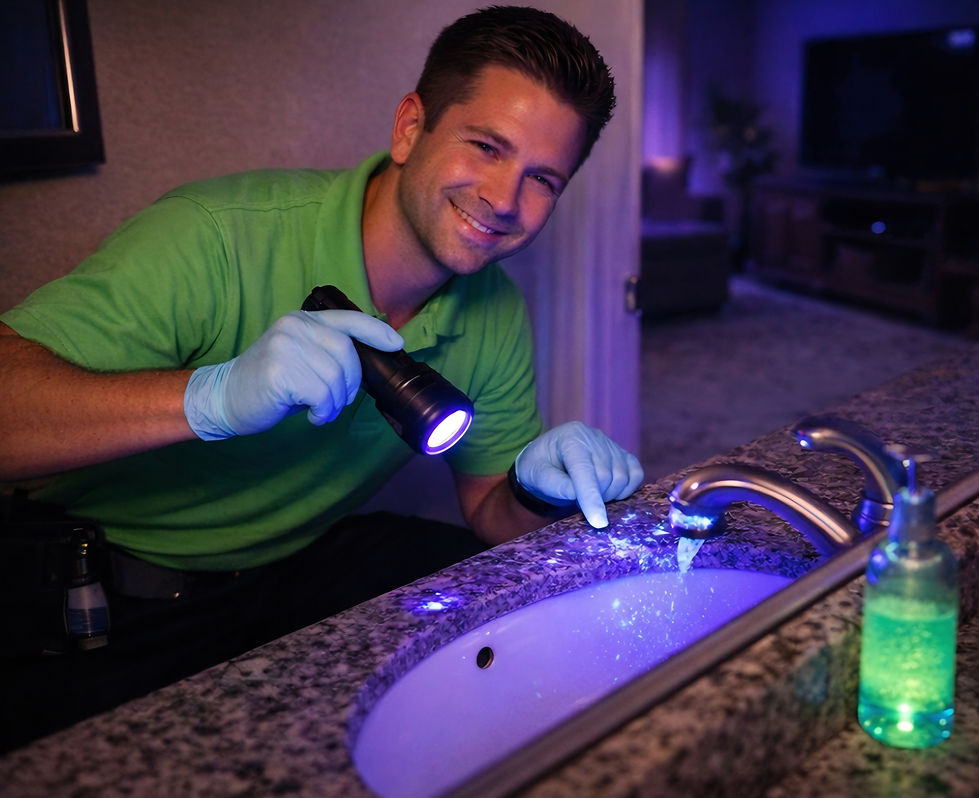
Even areas that look clean can hide dust and microbes. Our team takes extra steps to ensure your home is hygienically safe.
Structured Hygiene Maintenance for Safe, Healthy Homes
At NSW Certified Cleaning Service, we specialise in hygiene-focused home maintenance for NDIS participants and households with health or sensitivity considerations in Dubbo, NSW. Our structured systems are designed to maintain homes that are safe, clean, and consistently hygienic, reducing microbial build-up and supporting overall wellbeing.
Our approach includes professional cleaning of floors, kitchens, bathrooms, laundry, and high-touch surfaces — all carried out as part of a systematic, predictable service that ensures consistent results every visit.
Please note, we do not provide personal care, supervision, behaviour support, or Supported Independent Living (SIL) services. Our role is to support comfort, safety, and hygiene through structured, professional cleaning practices.
This service is ideal for households seeking reliable, consistent hygiene maintenance rather than fast or superficial cleaning.
OUR Professional Microbial Management Cleaning — Consistent, Safe, Outcome-Focused
We don’t just clean — we follow a structured, professional system that prioritises participant safety, hygiene outcomes, and long-term wellbeing. Perfect for homes with NDIS participants, sensitivities, or high hygiene expectations.
With over 20 years of experience, police-checked and NDIS-trained, we offer reliable, NDIS-focused home cleaning for people with disabilities and their families in Peak Hill and Dubbo. Our service is backed by a 24-hour satisfaction guarantee, ensuring safe, respectful, and high-quality cleaning you can trust.
Our Professional Hygiene Methodology
At NSW Certified Cleaning Service, our hygiene maintenance service is guided by a structured approach focused on prevention, consistency, and environmental awareness.
Rather than focusing only on visible cleaning, we assess and manage:
High-touch and high-risk areas
Environmental build-up and dust patterns
Cross-contamination risks
Airflow and less-visible accumulation zones
By identifying small environmental changes early, we help maintain stable and hygienic living environments that support comfort, safety, and participant wellbeing over time.
All services are delivered in line with professional hygiene standards and NDIS expectations, ensuring safe, consistent, and well-managed living environments.
Call us today on 0459 492 281 to discuss your needs or book a consultation
ISSA Certified | GBAC Certified | IICRC Certified
Structured Hygiene Model
NDIS-Focused


Our friendly hygiene specialists take care of every detail so your home stay safe and healthy.

Our colour-coded cloths prevent cross- contamination, ensuring every surface is cleaned safely and consistently.

Colour-coded mops and buckets prevent cross-contamination, keeping your home consistently hygienic and safe.
Our professional HEPA vacuum captures 99.97% of dust, allergens, and microscopic particles, keeping your home cleaner and healthier. Ideal for households with allergies, asthma, or sensitivities, it prevents dust and microbes from being recirculated, supporting a safer, more hygienic environment.

Our professional HEPA vacuum captures 99.97% of dust, allergens, and microscopic particles, keeping your home cleaner and healthier. Ideal for households with allergies, asthma, or sensitivities, it prevents dust and microbes from being recirculated, supporting a safer, more hygienic environment.


We Support International Cleaning Week 2026
March 22–28
We proudly join the global cleaning community to raise awareness of the vital role cleaning plays in health and safety. At NSW Certified Cleaning Service, we are committed to delivering professional cleaning services that protect your home from harmful microbes and infections.
.jpg)

Did You Know?
Australia faces 165,000 healthcare-acquired infections every year—infections people get while receiving care in hospitals or healthcare settings.
Professional cleaning is a critical part of preventing these infections and keeping your environment safe. That’s why at NSW Certified Cleaning Service, our cleaning protocols focus on thorough infection prevention to protect your health and wellbeing.
We understand that every home is someone’s personal space, and we clean in a way that respects routines, comfort, and dignity
Our Commitment to Your Safety
At NSW Certified Cleaning Service, your health, wellbeing, dignity and safety are our top priorities. We understand that every home is someone’s personal space, and we clean in a way that respects routines, comfort, and dignity.
That’s why every service we deliver is underpinned by rigorous safety systems, professional training, and thorough screening.
We:
-
Support ISSA and International Cleaning Week initiatives
-
Use certified, safe, and effective cleaning products
-
Follow industry best practices for infection prevention
-
Train our team to consistently deliver high standards of hygiene
-
Are dedicated to creating clean, healthy spaces for our clients


Professional care-based cleaning tailored for your family’s safety and comfort — delivered with the highest standards and respect. Certified Cleaning. Healthier Homes. Safer Living.
.jpg)
NDIS Cleaning Support
We provide cleaning supports to self-managed and plan-managed NDIS participants
All workers comply with NDIS worker screening requirements, including Police Checks and Working With Children Checks
While we are not NDIS‑registered, our services and safety protocols meet standards accepted for self‑managed and plan‑managed funding.
We support participants who choose non-NDIA-managed funding, in line with NDIS guidelines
We focus on safe, respectful, and reliable cleaning that supports participant wellbeing and independence.
We understand that every home is someone’s personal space, and we clean in a way that respects routines, comfort, and dignity
fully Insured, NDIS Worker Screened (#87561087) Police Checked, WWC Checked (#WWC0062249E) NDIS Employer ID: 4GOIVPJ8, ABN 44338234590 IICRC Registration number 64624091, ISSA Membership #673942
Deep Clean from $450 — Regular from $169
Trusted by families and local support coordinators— safe, consistent cleaning support that fits your NDIS goals.
All workers engaged by NSW Certified Cleaning Service hold current Police Checks and Working With Children Checks and are trained in safe service delivery aligned with the NDIS Code of Conduct.
We are committed to providing services that support participant safety, wellbeing, and confidence in their home environment.


Your in safe hands
Our Safety Promise — Backed by Proven Credentials
Your home, wellbeing, and dignity are our top priority. That’s why every service we deliver is:
-
NDIS Worker Screened & fully vetted
-
Police and Working With Children (WWC) Checked
-
Delivered under ISSA-aligned standards and infection-control training
-
Covered by full insurance and WHS safety systems
-
Using industry-approved HEPA & colour-coded hygiene systems
-
Compliant with NDIS quality and safeguarding standards
This isn’t just a list — it’s our promise to you that we clean with care, professionalism, and respect.
All staff are trained, supervised, and required to follow NSW Certified Cleaning Service systems and safety protocols.

WWC CHECKED
(WWC0062249E)
POLICE CHECKED
Clear Service
Agreements
& Invoicing
NDIS Employer ID (4-GOIVPJ8)
NDIS TRAINED & Screened (ID:87561087)
Infection Control & PPE Compliant
Full Insured
WHS/ Safety Systems
Friendly, Experienced,
Local Team
Plan-Managed & Self-Managed Welcome
IICRC Certified (HCT)
and trained (HST)
ECO-FRIENDLY CLEANING
Colour-Coding system

Why Choose NSW Certified Cleaning Service?
At NSW Certified Cleaning Service, we believe professionalism in home cleaning means more than just completing a task. It means working with care, consistency, and respect—especially when supporting NDIS participants, vulnerable clients, and families who value trust and reliability.
We operate using structured, system-led procedures and follow recognised standards to ensure safe, effective, and high-quality outcomes. Our methods prioritise hygiene, safety, and attention to detail, giving you peace of mind every time we attend your home.
Our team is carefully vetted, professionally presented, and trained to work respectfully within your personal space, always mindful of privacy and individual needs. We understand that every home is someone’s personal space, and we clean in a way that respects routines, comfort, and dignity
Because when it comes to your home, trust, care, and true professionalism matter.
We use a preventative microbial-management cleaning system designed to reduce cross-contamination and support healthier indoor environments — especially for NDIS and vulnerable households.
Regular cleaning removes dirt.
Structured microbial management helps reduce health risks and protect homes where safety and vulnerability matter most
Why Clients Trust Us
We understand that allowing someone into your home requires trust. That’s why our team works to high standards, follows documented procedures, and operates in line with NDIS principles of safety, respect, and choice.
Our focus on consistency, accountability, and care is what sets us apart from standard cleaning services.
At NSW Certified Cleaning Service
We specialise in providing task-based household cleaning services in Dubbo, NSW exclusively for NDIS participants. Our focus is on maintaining clean, safe, and hygienic homes through high-quality cleaning tasks such as dusting, vacuuming, mopping, laundry, and kitchen and bathroom cleaning.
Please note, we do not provide personal care, supervision, behaviour support, or Supported Independent Living (SIL) services. Our role is to support your comfort and wellbeing through professional cleaning only.
NDIS-Aware Cleaning You Can Trust
NSW Certified Cleaning Service provides domestic cleaning supports to self-managed and plan-managed NDIS participants.
Our services are designed to help maintain a safe, hygienic home environment, supporting daily living routines in line with participant needs and preferences.
Services may be funded under Core Supports – Assistance with Daily Living, where this aligns with a participant’s NDIS plan and goals.
We do not provide supports that require NDIS registration.
.jpg)
Upgrade to Probiotic Cleaning for a Longer-Lasting, Healthier Home
At NSW Certified Cleaning Service, we offer probiotic cleaning—an advanced method that uses good bacteria to naturally reduce harmful microbes and keep your home fresh and balanced for upto 72 hours up after cleaning.
This gentle, eco-friendly approach means less reliance on harsh chemicals, making it ideal for homes with sensitivities, allergies, or special health needs.
If you want your clean to last longer and support your family’s wellbeing,
ask us about upgrading to probiotic cleaning today.
Our services follow a structured microbial-management approach focused on long-term hygiene rather than excessive disinfecting.
How We Support NDIS Participants
• Services are delivered in line with participant routines, preferences, and support needs
• Cleaning tasks are agreed in advance and clearly documented
• We respect participant choice, privacy, and dignity at all times
• Feedback is welcomed and addressed promptly
• With participant consent, we communicate with support coordinators or plan managers
.jpg)
Our approach is built on a structured, evidence-based hygiene system that prioritises safety, consistency, and individual wellbeing—ensuring every clean delivers reliable and predictable outcomes tailored to the needs of NDIS participants and health-conscious households
Our Structured Hygiene Model
Instead of task-based cleaning, our service operates using a structured microbial management approach designed for home environments where safety, consistency, and individual needs matter.
Step 1 — Environment & Needs Understanding
We consider household routines, sensitivities, risks, and priorities to ensure cleaning supports wellbeing.
Step 2 — Risk-Aware Planning
Cleaning methods, equipment, and products are selected using infection-control principles and safe chemical use standards.
Step 3 — System-Based Cleaning
Work follows documented procedures including:
HEPA filtration where required
colour-coded cloth systems
high-touch surface focus
cross-contamination prevention
Step 4 — Consistency & Documentation
Structured processes ensure each visit follows the same professional standard.
Step 5 — Respectful Support Integration
Cleaning is delivered in a way that respects autonomy, routines, and support environments.

Hi am JODIE
Living with disability — and supporting a close family member with disability — has given me firsthand insight into how vital safety, consistency, respect, and clear communication are in someone’s home.
Because I understand how overwhelming environments can be, how routines matter, and how trust is built slowly, I approach cleaning differently.
My focus isn’t just on completing tasks — it’s on providing a service that supports comfort, dignity, and wellbeing in the spaces people live in every day.
Professional-Grade Products for Your Health and Safety
We use industry-approved, professional-grade cleaning products selected for their effectiveness, safety, and compliance with health standards. This ensures a thorough clean that supports the wellbeing of clients and their families, while respecting environmental concerns.
This helps me support people who:
-
Have sensitivities or allergies, ensuring their environment is safe and comfortable
-
Require strict hygiene standards to protect their health and wellbeing
-
Depend on consistent, trustworthy cleaning that respects their routines and dignity
-
Live with disabilities or health conditions that make safety and comfort a priority
-
Want peace of mind knowing their home is cleaned with care, using products suited to their unique needs




.jpg)

Local, Family-Run, and Proud
We’re not a big chain — we’re a local, family-run cleaning business, right here in Dubbo. With over 20 years of industry experience, we bring honesty, hard work, and a personal touch to every clean.
Our clients stay with us because we value trust, consistency, and genuine care. We’re committed to long-term relationships, ensuring your home is cleaned to the highest standard of safety, hygiene, and comfort every time.
Thank you for supporting a local business — and for trusting us to care for your space as if it were our own

Trusted by NDIS participants & families for safe, reliable cleaning support you can count on.
Support Coordinators & Plan Managers — Professional Cleaning Supports Aligned to NDIS Safety and Hygiene Standards.
Suitable for NDIS participant homes where:
• hygiene consistency matters
• participants are vulnerable or immunocompromised
• support workers require a clear role separation
• a trained, safety-aware cleaner is required
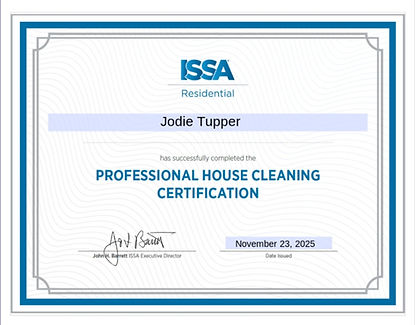
At NSW Certified Cleaning Service, our membership with ISSA ensures that we bring world-class cleaning standards to every job. ISSA’s guidelines help us deliver safe, efficient, and environmentally responsible cleaning services that protect your home, health, and wellbeing.
NDIS Cleaning Support Available We support self-managed and plan-managed NDIS participants in Dubbo NSW Learn more about our NDIS cleaning services
At NSW Certified Cleaning Service, we go beyond cleaning homes — we support people and strengthen our community. With certified expertise and a commitment to respect and dignity, we proudly serve families, NDIS clients, and local organisations.
Discover how we care for the whole person through our Community Support Resources

I’m proud to have been personally invited to join the ISSA Oceania & Asia-Pacific Building and Facility Services Committee.
This committee is a group of cleaning and facility experts across the region who set high standards for safety, hygiene, and best practices.
Being part of this group allows me to bring the latest cleaning innovations and professional expertise into every home I service, including NDIS homes, to ensure safe, healthy, and consistently clean environments.
Jodie Tupper
Certified Cleaning Practitioner
GBAC Trained | IICRC & ISSA House Cleaner | ISSA Member
Steward of Care-Based Cleaning

🧠 Did You Know?
We Touch Our Face Far More Than We Realise
Most people touch their face 200–400 times per day —
often without even noticing.
🤔 Why This Matters
Your hands regularly come into contact with:
-
Mobile phones
-
Door handles
-
Benches and surfaces
-
Shopping trolleys
-
Bathroom fixtures
When you touch your face — especially your eyes, nose, or mouth — anything on your hands can be transferred directly into your body.
🦠 A Surprising Fact
It can take up to 19 hand-to-surface touches to significantly reduce contamination without washing your hands.
This means germs can continue to spread from:
-
Hands
-
To face
-
To surfaces
-
Back to hands
🧼 Simple Ways to Reduce Risk
-
Wash hands regularly with soap and water sing the Happy Birthday song twice
-
Avoid touching your face when possible
-
Clean frequently touched items (phones, remotes, door handles)
-
Use hand sanitiser when handwashing isn’t available
💡 Good Hygiene Is About Awareness
You don’t need to be perfect —
just more mindful of everyday habits.
👉 Wet hands can transfer germs more easily than dry hands, which is why thorough drying is just as important as washing.
🧴 Wash. Dry. Moisturise.
Frequent handwashing is essential for good hygiene, but it can dry out your skin.
Using a good moisturiser after washing your hands helps:
-
Protect the skin barrier
-
Prevent dryness and cracking
-
Reduce irritation from frequent washing
-
Keep hands healthy and comfortable
Healthy skin acts as a natural protective barrier.
🧠 Did You Know?
Dry, cracked skin can feel uncomfortable and become more prone to irritation.
Applying moisturiser after handwashing helps keep skin strong, hydrated, and protected.
Simple habit:
👉 Wash hands → dry thoroughly → apply moisturiser
🤲 Everyday Hygiene, Done Right
Good hygiene isn’t just about cleaning —
it’s also about caring for your skin, especially when hands are washed frequently throughout the day.
📱 When Was the Last Time You Cleaned Your Mobile Phone?
You touch your phone hundreds of times every day,
but most phones are rarely cleaned properly.
🤔 Why This Matters
Your mobile phone regularly comes into contact with:
-
Hands
-
Faces
-
Bathrooms
-
Kitchen benches
-
Work surfaces
Throughout the day, oils, sweat, food residue, and environmental contaminants build up on your phone’s surface. These can then be transferred back to your hands, face, and other surfaces in your home.
🦠 What Many People Don’t Realise
Research has shown that mobile phones can carry high levels of contamination, often more than common household touchpoints such as:
-
Door handles
-
Light switches
-
Toilet flush buttons
Even if your phone looks clean, contamination is often invisible.
🧼 Simple Phone Hygiene Tips
-
Clean your phone daily
-
Use a phone-safe disinfectant wipe or spray
-
Avoid harsh chemicals and excess moisture
-
Wash or sanitise hands before and after cleaning
✅ Good Hygiene Starts With Everyday Habits
Your phone should be cleaned as often as your hands, especially after:
-
Bathroom use
-
Eating
-
Cleaning tasks
-
Public outings
Clean hands. Fewer touches. Better hygiene.
Professional cleaning supports healthier environments — but daily habits matter too.


Did You Know? Toilet Flush Plumes Travel Further Than You Think
When a toilet is flushed with the lid open, microscopic droplets are released into the air — this is known as a toilet plume.
Studies have shown these aerosol droplets can travel several metres through the air, and in some conditions up to around 8 metres, settling on nearby surfaces such as:
Toothbrushes
Towels
Bathroom benches
Door handles
These droplets can carry bacteria and viruses — including gastro and flu-type pathogens.
Simple prevention tip:
Always close the toilet lid before flushing.
It’s a small habit that significantly reduces the spread of germs in your home.
Clean surfaces matter — but clean habits matter too.
Before & After | Toilet Hygiene
These images show the results of a professional toilet clean.
Bathrooms — especially toilets — are among the highest-risk areas for germ transfer in any home. Even when surfaces look clean, bacteria can linger in hard-to-reach spots.
What professional hygiene cleaning focuses on:
-
Removal of visible soil and buildup
-
Targeting high-touch areas (seat, rim, flush points)
-
Proper dwell time of cleaning products for effective disinfection
-
Attention to areas often missed during routine cleaning
A Note on Hard Water Staining
Some discoloration inside toilets is caused by hard water minerals (like calcium and lime) that can:
-
Bond to porcelain over time
-
Permanently etch the surface
-
Remain visible once the glaze is damaged
When this happens:
The toilet can still be hygienically clean
Bacteria and waste can be effectively removed
The surface may not return to a “brand new” appearance
This is a fixture condition issue, not a cleaning failure
Using a Pumice Stone
A pumice stone can help remove some hard water stains and mineral deposits on porcelain toilets, but use caution:
-
Use only pumice stones designed specifically for toilet cleaning
-
Keep both the pumice stone and porcelain surface wet while scrubbing to avoid scratches
-
Test gently on a small, hidden area first
-
Avoid aggressive scrubbing to prevent further etching
If stains are deeply etched or glaze is damaged, a pumice stone may improve appearance but won’t restore the original look.
Regular, proper cleaning helps:
Reduce cross-contamination
Support a healthier home environment
Maintain fixtures and surfaces over time
Images shared with permission.
Posted for education and hygiene awareness purposes hard water staining.

